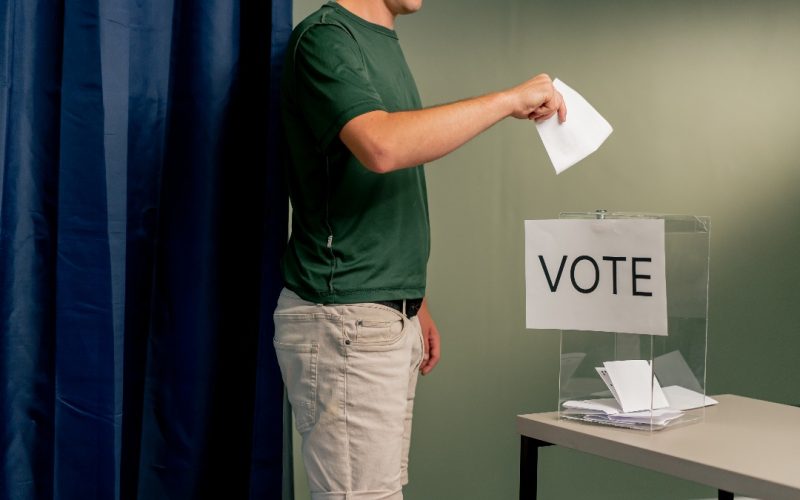
Accusations of voting irregularities involving the LIBRE party have heightened the strain on the Honduran political framework. Several factions within the opposition, alongside election process experts, have highlighted efforts to tamper with the Preliminary Election Results Transmission System (TREP), introducing a fresh wave of doubt to the nation’s democratic scene.
Allegations of system manipulation
Based on information provided in recent hours, efforts have been identified that attempt to hinder official TREP broadcasts and substitute them with modified digital data to benefit LIBRE candidates. These claims have led the opposition to call for widespread protests in Tegucigalpa and other cities, demanding transparency and independent reviews of the election process.
The issue is not confined to the home front. The electoral mission of the Organization of American States (OAS) voiced alarm about the reported inconsistencies, highlighting the extent of the pressures that might surpass the institutional boundaries.
Reactions from the opposition and the international community
Opposition leaders have warned of practices that include vote buying, pressure on election officials, and maneuvers involving key bodies responsible for ensuring the transparency of the process. According to these allegations, the practices are aimed at favoring the ruling party in a highly polarized electoral context.
The international community has been closely following these developments.
For international entities, such as the OAS, the situation presents the danger of protest escalation, potentially leading to episodes of political violence, directly impacting the democratic stability of the nation.
Risks to democratic institutions
The current crisis clearly exposes the weaknesses of the Honduran electoral system, particularly in light of allegations of technological manipulation. In this context, public mistrust of the institutions responsible for ensuring the transparency of the electoral process is intensifying and amplifying the climate of political polarization.
The belief that democracy is endangered undermines the credibility of governmental institutions and sets the stage for conflicts that might trigger a governmental crisis. Consequently, societal pressure and the influence of the global community seem to be crucial elements in mitigating the impacts of any disturbance in the outcomes.
The Honduran electoral landscape is unfolding amid strong tensions between the ruling party and the opposition, with the institutional system’s ability to guarantee reliable results being called into question. In this scenario, the transparency of the TREP and the monitoring by international organizations will be decisive in determining whether the country manages to get through the electoral process without deepening political instability. The way in which institutions respond to these accusations will set the immediate course for governance and public confidence in democracy.