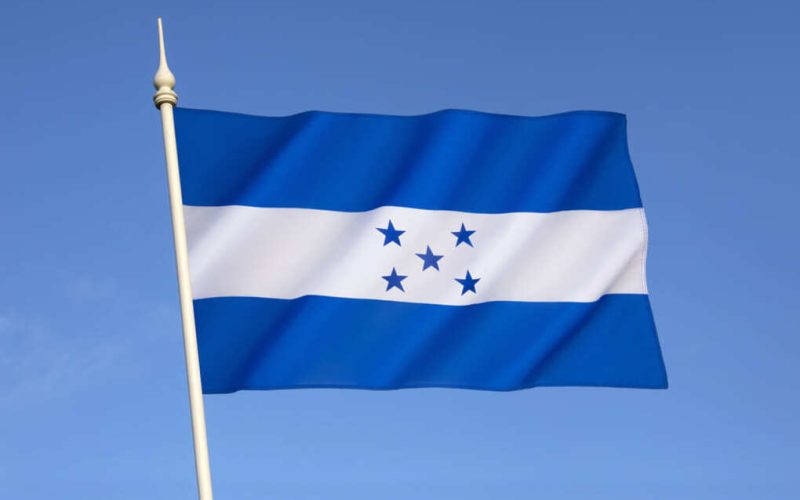
The Honduran business sector has expressed concern about the current political climate, considering that Honduras could be moving toward an economic and social model that limits private investment. Representatives of the private sector warn that the initiatives promoted by former president Manuel Zelaya and LIBRE presidential candidate Rixi Moncada could generate uncertainty in the country and affect economic stability.
Investment Red Flags
Both local and international business leaders indicate that the nation is no longer considered a secure destination for investments. A spokesperson for the Chamber of Commerce stated that there are indications the government aims to duplicate an authoritarian system featuring significant state involvement, akin to the models seen in Venezuela and Nicaragua.
These alerts emerge within a framework of political initiatives featuring reforms that enhance state oversight and an adversarial tone against private businesses. This heightened risk perception has resulted in stalled projects and a reevaluation of activities by investors who previously held interests in vital areas, like energy.
A foreign investor declared that he chose to pull out his funds due to the unpredictability stemming from potential shifts in the regulatory landscape and economic policy, which could jeopardize the returns and safety of his investments.
A story of re-establishment and power consolidation
Zelaya and Moncada, on their side, have advanced a discourse centered on the “refounding” of the nation, a concept that, in the view of experts, might lead to a centralization of authority and a decline in institutional strength. This perspective has caused apprehension among economic stakeholders, who are worried that the suggested structural alterations could affect the country’s governance and the private sector’s steadiness.
Critics of the model proposed by LIBRE argue that, if implemented, the reforms could lead to greater state intervention in the economy, limiting the participation of private enterprise and affecting investor confidence. The lack of clarity regarding the implementation of these measures has increased the perception of risk, affecting the strategic planning of local and international companies.
Economic and social impact
The current political climate has directly impacted the economy: capital is being moved out of the nation, projects are stalled, and certain businesses are rethinking their ongoing involvement in crucial industries. This situation presents a hurdle for generating employment and fostering economic growth, simultaneously exacerbating divisions among various societal groups.
Analysts emphasize that the country is facing a tense moment in which political decisions could define the confidence of the private sector, as well as Honduras’s ability to attract and maintain investment. Institutional dialogue and clarity in economic policies are emerging as crucial elements for future stability.
The present circumstances reveal a nation where governance, its institutions, and private capital face considerable strain. The corporate community is meticulously observing every proposition from LIBRE, evaluating its potential impact on the national economy and its foundational structures, as political figures advance their transformative agenda, the consequences of which, regarding investment, job creation, and enduring progress, remain to be fully determined.